
How to Avoid & Treat Wedding Day Shingles, Hives, & Eczema

Bridal shingles. Stress induced eczema. Wedding day hives. And stress rashes for people of all genders! (Ughhh😭)
Ah yes, nothing makes you feel more radiant and ready to walk down the aisle than slathering prescription ointment onto a patch of itchy welts, or swallowing horse pills every few hours for painful blisters and pustules. So – why are you suddenly covered in a rash right before the wedding day? Can anything be done about it? And — no offense — how can the rest of us avoid your terrible fate?
These itchy issues are so common during wedding planning there’s actually an informal term for them — you’ll hear “bridal shingles,” “wedding hives,” and “bridal eczema” used in both dermatology offices and dress shops. But don’t let the name fool you; although AFAB people do experience these issues at higher rates, they affect people of all genders, and your physical and mental health play a significant role in your risk.
Exhibit A: Having a disability or chronic illness that strains your immune system can make you more likely to experience a case of shingles, hives, or an eczema flare up during major life moments – like getting married. Ongoing emotional and physical stress, nervous system dysregulation, sensory overload, executive dysfunction, decision fatigue, and poor sleep can also wear down your immune system, making these uncomfortable reactions even more likely.
Instead of swapping out your wedding fit for something in a high neckline or long sleeves to hide that rash, let’s take a look at how to lower your risk, and how to deal with bridal shingles, wedding hives, or stress induced eczema on the wedding day.
“I'm 15 days away from my wedding, and was diagnosed yesterday with shingles. My doctor [says] she sees it in a lot of brides because of the stress – both the exciting, good stress, and the bad [wedding] planning stress.”
“[My hives] started up about a month ago and I’m still dealing with it, and my wedding is in a week and a half! I also don’t feel more stressed than I usually am, though maybe my body knows better.”
SIDE NOTE: I’m literally writing this article from my living room with stress induced shingles, btw. This is my second round of shingles, and proof it can affect all age groups. (I got shingles for the first time at 30!) My disability is a contributing factor for sure, along with my chronic inability to chill – I also frequently get stress hives. I’m not planning a wedding right now, but the world has no shortage of stress these days — both good and not so good. Readers take care! |
How to Prevent Stress Induced Eczema, ‘Bridal Shingles,’ Wedding Day Hives
Managing stress and avoiding as many triggers as possible can help lower your chances of wedding-stress induced eczema, shingles, and hives. But advice like “Just stay calm” won’t cut it. Stress isn’t just mental, not all stress is ‘bad,’ and it isn't a matter of willpower either – especially if you have a health condition that strains your immune system. Lowering your risk requires a physical, mental, and slightly whimsical approach.
DISCLAIMER: I'm not a medical professional and this isn't medical advice. This article is only meant as general information; talk to a doctor if you're experiencing any of these conditions and follow their recommendations carefully.
Here are a few suggestions to consider in the months and weeks leading up to your wedding:
Adjust and modify this list as needed: These suggestions aren't one size fits all. If you struggle with insomnia, for example, our advice to get good sleep isn't all that helpful, but keeping an eye on your energy budget might be. Remember to delegate tasks to your support group whenever possible, simplify your wedding plans if needed, and know that you can create a wedding that works for you - not against you.
Talk to your doctor about emergency prescriptions: If you have a history of stress hives or eczema, talk to your doctor months before your wedding to get a plan in place. They may be able to give you a prescription to have on-hand ahead of time (which can save you hours in an urgent care during a destination wedding trip).
Shingles vaccine: If you’re over 50 or immunocompromised, talk to your doctor about the shingles vaccine. This vaccine can help reduce your chance of a shingles outbreak, including a stress-triggered one.
Mandatory planning breaks: Include mandatory relaxation breaks in your wedding planning schedule. Not just an hour or two – take entire days or weeks away from planning to recharge, enjoy daily activities, and deescalate your stress levels. Your thoughts might move a mile a minute, but your body moves slower. Your nervous system needs time to regroup.
Postpone / reschedule non-urgent surgeries: If possible, talk to your providers about the benefits or drawbacks of postponing any non-urgent dental surgeries or cosmetic surgeries during the weeks right before the wedding. Although these aren’t directly linked to flare ups, there’s some anecdotal evidence suggesting that stress from minor surgery can contribute to a shingles outbreak. As always, however, your doctor will know best.
Don’t fill your schedule to the brim: Even fun activities take energy, so be sure to spread out social events, appointments, and obligations. Leave yourself unscheduled time each day to just beee.
Consider your daily energy budget: Prioritize what you need and say no to things that cost more energy than you have to spend each day.
Make time for play: Make time for special interests, ‘unproductive’ resting, simple joys, and low-stakes activities that don’t need to be done ‘right’ or ‘on time.’
Prioritize high-quality sleep: Sleep! Make sure you are getting quality sleep each night, and take naps if you need them. Fatigue is directly linked to your immune health, so it's important to treat good sleep like the necessity it is.
Stick with healthy nutritional habits: Eat healthy, anti-inflammatory foods that you enjoy, drink plenty of water, and follow any advice given to you by your doctor, specialist, or nutritionist. Weight-loss diets can be very stressful for bodies, so talk to your doctor first if you’re considering dieting before the wedding. And though we (deeply) hate to say it, you might want to cut back on excess sugar and caffeine if they've triggered an eczema flare in the past.
Avoid using new products on your skin: No new skincare products or fragrances in the month before your wedding! You might be offered a new makeup, shaving cream, cologne, or body cream to try, or given one as an engagement gift. We recommend saving these treats for after the honeymoon, because new products can cause unexpected skin reactions, especially when your immune system is already fatigued by stress. If you’re excited to include a new product or scent on the wedding day, test it out at least a month in advance to make sure it's safe for you to use.
Avoid harsh cleansers and chemicals on your skin: Be aware of harsh chemicals or cleaning agents on your wedding attire: If you’re renting a wedding dress or suit, consider picking it up early from the shop and hang it in a room with good ventilation to let it air-out. If you purchased something new and it’s able to be laundered, use a gentle, hypoallergenic detergent.
Prep your wedding attire for comfort: Consider adding a soft lining to your dress or wedding suit to avoid skin irritation from coarse or scratchy fabrics. You may also want to avoid very hot fabrics, or super tight clothing or corsets, especially if these types of items have triggered hives in the past.
Lean on your support network: Spend time with people you enjoy in the weeks leading up to the wedding. Friends that make you smile, family members, mentors, and your partner. Remember that a wedding is just one celebration in a lifetime of joyful moments. It’s a big deal, but these small moments in between are just as valuable!
Bonus Wedding Day Prevention Tip & Skin Rescue Kit:
Avoid hot showers or baths: High temperatures are known to trigger hives, so avoid very hot showers or steam rooms the morning of your wedding!
Pack a wedding day emergency kit for your skin: Wedding day emergency kits are always a good idea. Generally speaking, they should include things like safety pins and stain sticks, protein bars, and tissues. But you should also add things like non-drowsy antihistamines, any rescue doses / meds prescribed by your doctor, unscented lotion, anti-itch creams, a mild pain reliever, a clean washcloth, cold packs / ice packs, and other items to calm a sudden skin rash. These items may also help your wedding guests or wedding vendors if a sudden flare up strikes!
“Oh no, stress hives six days before [the] wedding. I don't even feel that stressed, I feel pretty relaxed. But my body is saying [something] totally different.”
“Slight panic at the moment. We’re two weeks away from the wedding and I’ve come down with a severe case of shingles. I can’t stand to wear anything other than my nightgown — anything touching the right side of my abdomen makes me want to scream from the pain. Let’s not even discuss the blisters and sores that accompany this… My wedding dress isn’t terribly tight, but the bra that I need to wear with it fits snuggly. I’ve had to buy a very loose, empire waist dress that I can wear to get married in, in the event that I still can’t stand anything touching my side in two weeks.”
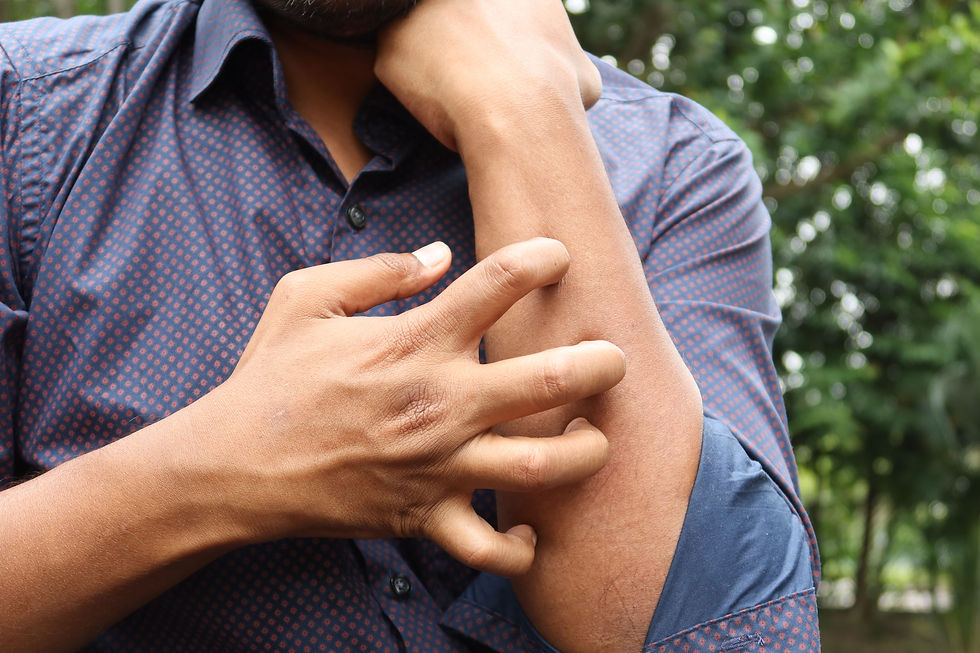
How to Deal With Shingles, Eczema, and Hives on the Wedding Day
Okay, so you didn’t prevent them. They’re here, and so is the wedding day. Now what?
When Quick Medical Treatment is Key:
If you suspect shingles, starting an antiviral medication within a couple days of the rash appearing is very important. Head to your local urgent care to have the rash assessed and treated as soon as possible. Shingles can be treated with antivirals, but these work best if started within 72 hours of the rash appearing. The beginning stages of shingles can look like other things, including hives and bug bites, but there are a few things to watch for: if the rash and bumps appear quickly, itch and burn (hurt), don’t go away or change shape in a few hours, are only on one side of the body, and you don’t suspect bug bites, they might be shingles. It’s probably worth a visit to an urgent care clinic to have someone take a look at them.
Learn more & see images: Shingles Symptoms and causes from the Mayo Clinic
“I’m getting married in one week. The process has been so stressful. It’s a big destination wedding and it has been too much for me to handle… I started feeling run down and tingly. I’m only 30, so shingles was not on my mind. Had a first small outbreak of rash on July 4, but waited til after the weekend to be seen. I thought it was folliculitis, but [it] turns out it’s shingles.”
Hives and Eczema Benefit From Quick Treatment Too:
Hives, like shingles, usually appear suddenly. These welts often itch and burn intensely, and might show up after a hot shower, a walk outdoors, or while wearing rough / tight clothing. Most often, you can distinguish hives from shingles within a couple of hours of the rash appearing based on how these bumps behave. Hives might show up as single welts or bumps at first, then spread out across your skin like a raised itchy map of angry continents. Hives tend to move around, recede, reappear, and change shape, and they often show up on both sides of the body at the same time. While a case of hives can last for up to 24 hours, they frequently fade within hours and respond well to over-the-counter antihistamines.
Learn more & see images: Stress Rash & Hives / Are Stress Hives a Real Thing? from the Cleveland Clinic
There are several types of eczema, each with their own look and behavior. Stress induced eczema usually shows up as a dry, bumpy patch of intensely-itchy, inflamed skin. Depending on whether your skin is light or dark, the rash will look red, dark brown, or purplish. Sometimes eczema causes small raised bumps or blisters that can resemble other conditions — but it will be very itchy. Thick over-the-counter ointments can sometimes help (like Vaseline or Aquaphor), but you’ll get more relief by visiting a doctor. They may prescribe you an inexpensive topical steroid cream for quick relief, or oral medications to calm severe cases.
Learn more & see images: Eczema and Stress: What’s the Connection? from the Cleveland Clinic
These suggestions can make you more comfortable, too:
Loose clothing backups: Consider purchasing a ‘back up’ dress or suit that’s loose-fitting and soft on your skin — something that won’t rub against shingles or hives as you take your vows and celebrate. Choose breathable, natural fabrics like cotton or bamboo fiber.
Over-the-counter antihistamines: If safe for you to do so, take an over-the-counter antihistamine that causes little or no drowsiness, like Claritin or Zyrtec, to help with hives. Topical antihistamine creams might help too. (Benadryl can make you very sleepy.) Remember that it might not be safe to mix these medications with alcohol or other celebratory substances.
Cold compresses: Cold compresses can help ease discomfort in some cases. Be sure to use a clean washcloth, especially if there are any open blisters.
Avoid extreme temperatures: Keep the room temperature cool and avoid getting too-warm or sweaty. If possible, ask your wedding venue to turn on the air-conditioning or ceiling fans. Heat and sweat can trigger more hives, or make eczema worse.
Avoid alcohol based products: Avoid using alcohol-based creams or sanitizers, as well as harsh soaps, on any affected areas.
DISCLAIMER: I'm not a medical professional and this isn't medical advice. This article is only meant as general information; talk to a doctor if you're experiencing any of these conditions and follow their recommendations carefully.
Why are ‘bridal shingles,’ hives, and stress induced eczema so common on the wedding day?Wedding planning can be stressful, with a mix of good stress and not-so-good stress. Committing to your partner, meeting new loved ones, booking a venue, making a budget, choosing what to wear. Even if this is a very happy time for your, your body is keeping track of all this new activity and exertion and lumping it all together as ‘stress.’ That stress, good and bad, is behind these unwanted guests: shingles, eczema, and hives. Acute and chronic stress lowers your body's ability to fight off new infections, and it can also re-activate dormant viruses in your system. One common example of this is the varicella-zoster virus (VZV), which causes shingles and chickenpox. If you had chickenpox as a child, it’s very likely that the virus is still hiding dormant in your nerve cells, just waiting for the exact wrong time to remerge as shingles. When you get stressed, tired, or burned out, your body’s natural defenses are lower, and viola, the virus makes its move — and you get shingles. Learn more: "Stress can trigger shingles" from the American Medical Association Hives and stress-induced eczema are also triggered by stress, but they work in a different way. With eczema, a period of acute stress can trigger or worsen the condition by causing your cells to release specific types of inflammatory proteins. These proteins create a false-alarm panic inside your body, and your immune system thinks something is wrong. It kicks into overdrive, leading to intense inflammation, itching, and irritation on your skin —otherwise known as eczema! Hives, on the other hand, are caused when stress triggers your cells to release a large amount of histamine into your body. The histamine causes a similar false-alarm panic in your immune system, and its amped-up response creates hives — those burning, itching welts on your skin. When disability, chronic illness, and wedding stress intersectIf you also happen to have a disability or chronic illness, the effect can be amplified. Wedding planning might be more stressful because of limited accessibility, accommodation, or understanding from wedding vendors and family. And if your immune system and nervous system are already worn out (or primed to ‘overreact’) it might not take that much ‘extra’ stress to cause a flare up. Lots of health conditions and the medications prescribed for them can directly or indirectly contribute to your likelihood of getting one of these uncomfortable wedding day rashes. Conditions like asthma, Autism Spectrum Disorder (ASD), COPD, diabetes, IBD, Hashimoto’s or Graves’ Disease, and other autoimmune conditions like Multiple Sclerosis (MS) or rheumatoid arthritis (RA), or their treatments, can all make you more susceptible. Considering how many people have these common conditions, you can see why dermatologists might get busier during wedding season! |
More Accessible Wedding Ideas & Topics from 'The Accessible Aisle' Blog


Comments